What to Expect

Your First Visit

On your first visit, our primary goal is to evaluate the extent of your problem and help you determine the best treatment to stop the pain and preserve your natural smile. Most patients are able to receive root canal therapy immediately after their evaluation if they choose to do so.

Here’s a more detailed look at your first visit:

Receptionist helping a patient fill out forms

When you arrive, we’ll help you complete your patient registration if you haven’t already done so online. We can also assist you with any other paperwork or insurance questions you may have.

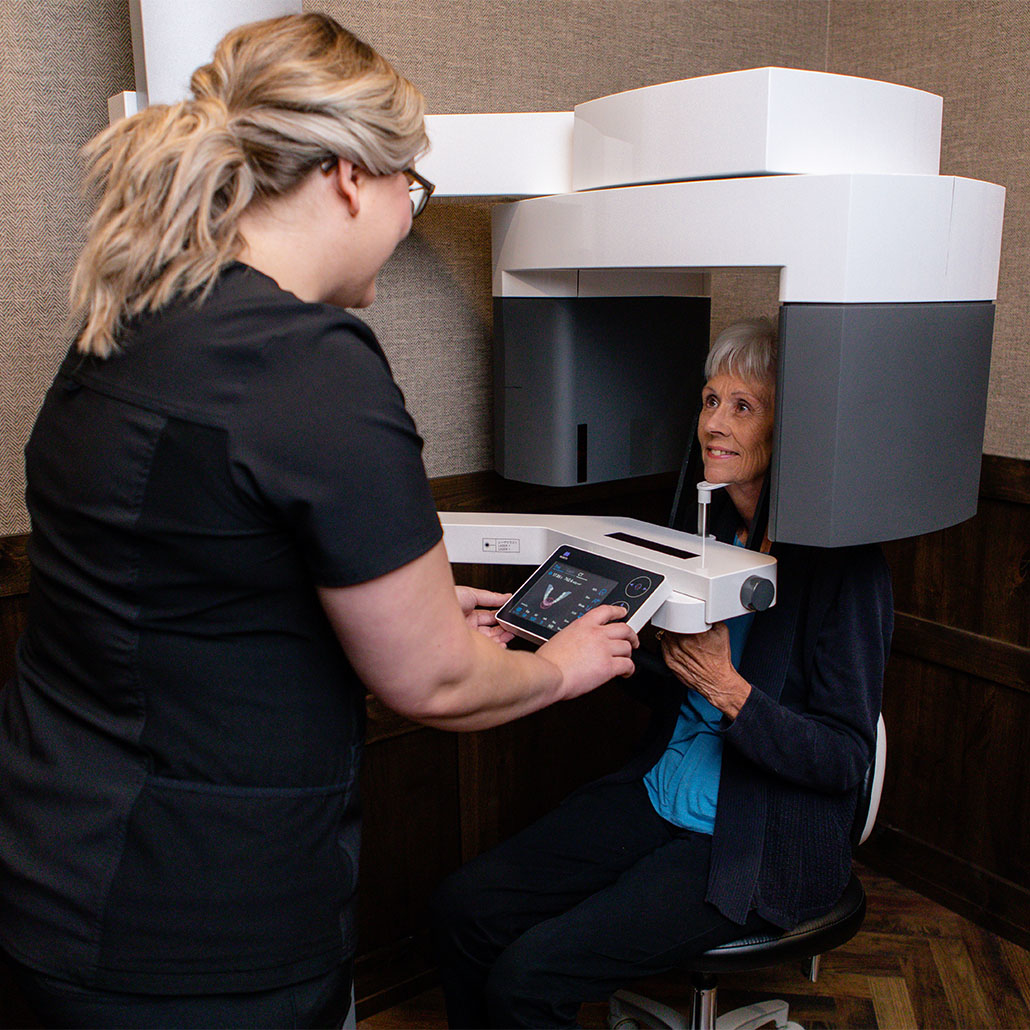
Dental assistant X-raying a patient

When you’re done, we’ll use the latest technology, including 3D scans, digital X-rays, and tests for hot and cold sensitivity, to perform a complete evaluation of the infection in your root canal system.

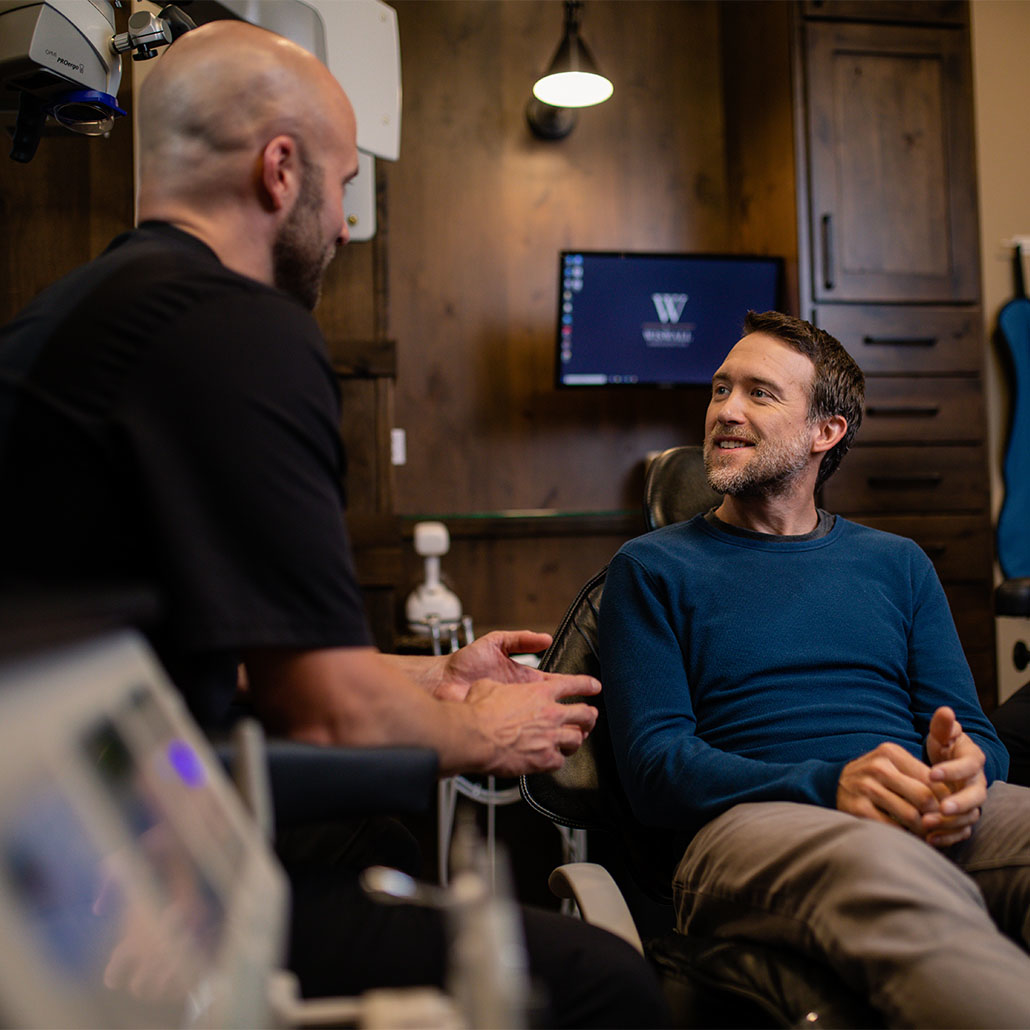
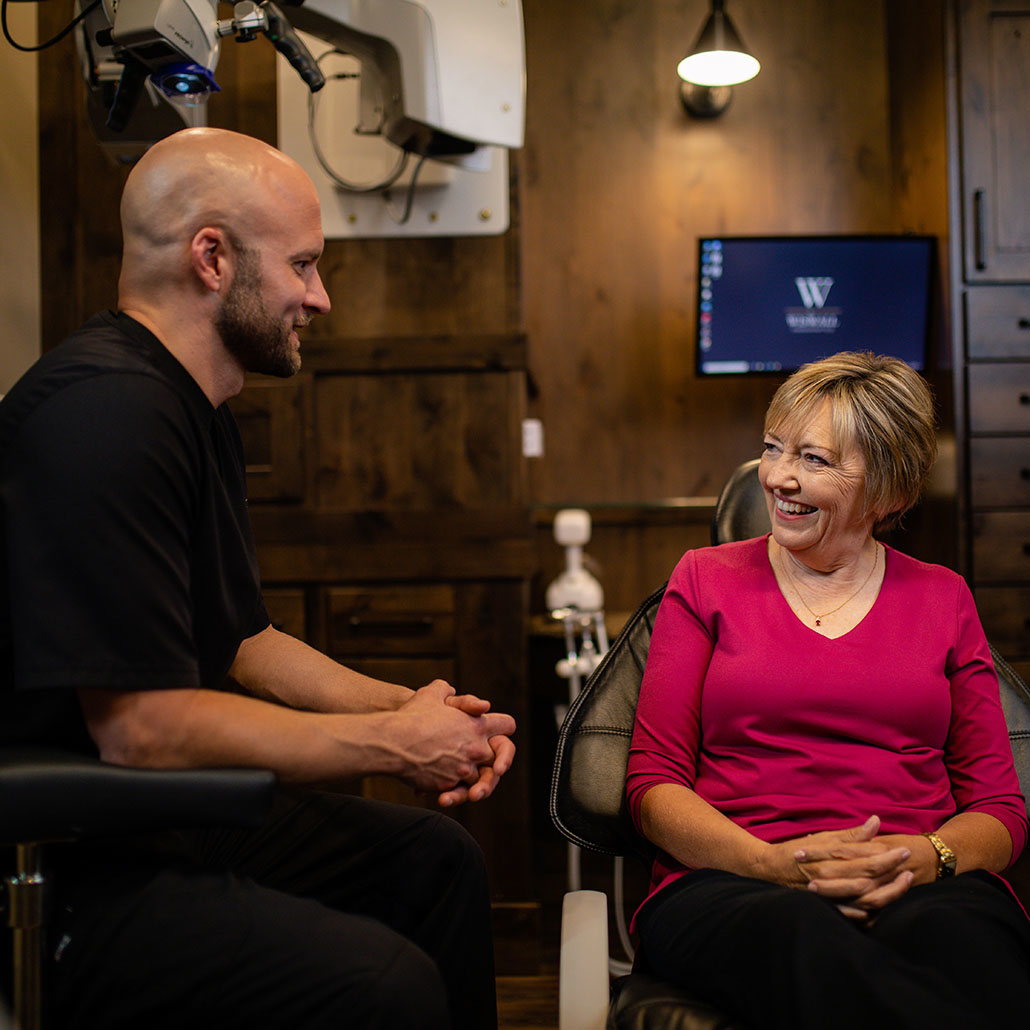
Dr. Wiswall discussing treatment with a patient

After the full diagnostic evaluation, Dr. Wiswall will review the results with you and recommend a treatment. For your convenience, most patients can have same-day treatment. If that doesn’t work for you, we’ll find a time that is best for your schedule. Either way, we’ll never proceed with treatment until you are fully informed of the procedure and fees and feel comfortable moving forward.

Your Procedure

With modern technology and techniques that focus on patient comfort, such as the GentleWave® we use at Wiswall Endodontics, your root canal treatment will feel similar to getting a filling. Generally speaking, you can expect your procedure to last about 90 minutes.

Here’s a more detailed look at your procedure:

Dr. Wiswall discussing treatment with a patient

Patient comfort always comes first at Wiswall Endodontics. We use local anesthetic and, if you choose, you may elect to have either oral sedation or nitrous oxide to calm any anxiety. In addition, all of our dental suites are outfitted with a TV in the ceiling and state-of-the-art wireless headphones so you can catch your favorite show or movie during your procedure.

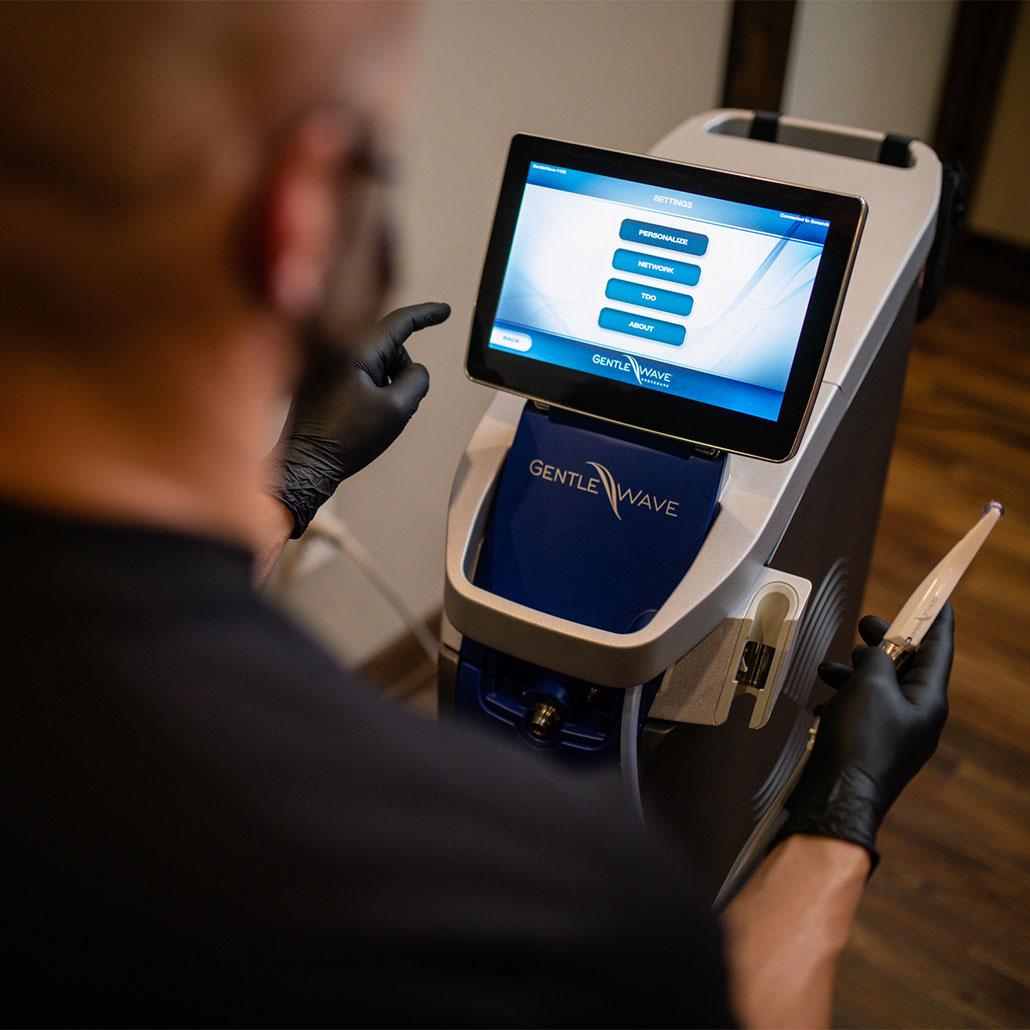
GentleWave machine

Once you’re comfortable, we’ll make an opening in the top of your tooth. Then, using the GentleWave, we’ll apply soundwaves and continuous irrigation to clean and disinfect the entire root canal system, even reaching into the microscopic spaces.

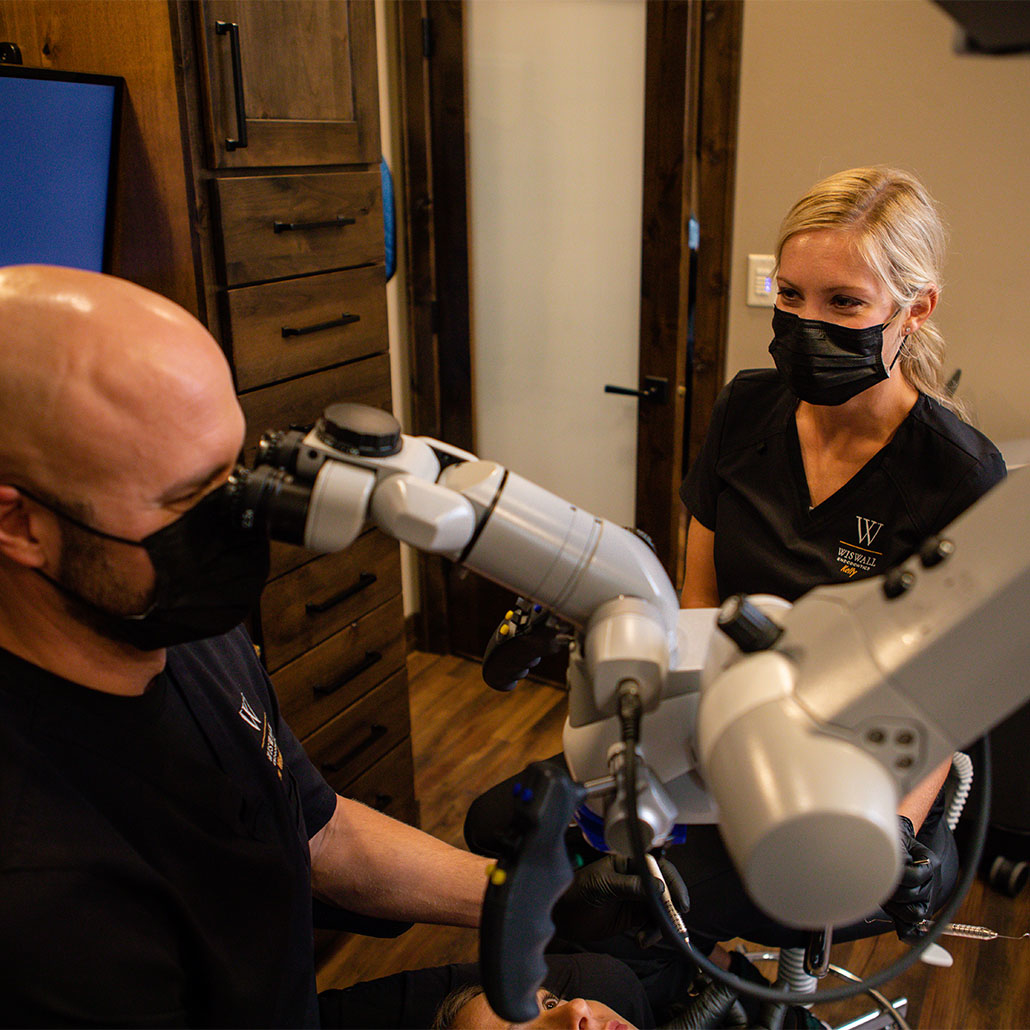
Dr. Wiswall performing a root canal procedure

When your root canal has been fully cleaned and disinfected, we’ll fill and seal the tooth to prevent future infection. We’ll inform you if you need to visit your dentist to complete the procedure with a filling or crown.

Your Aftercare

After your root canal procedure, we will send a record of your treatment to your dentist. If you need a final filling or crown, you should contact your dentist’s office for a follow-up restoration to occur within a few weeks of your root canal procedure.

If you received a permanent filling during your root canal treatment:

Dependent on a variety of factors, we can often apply a final filling as a part of your root canal treatment. In that case, you can return to your normal eating habits as soon as the numbness from the anesthetic and the tenderness from the procedure have worn off. You should resume regular brushing and flossing that same day.

You may experience some residual discomfort for the first 24–48 hours after your root canal therapy, but you can usually treat it with common over-the-counter pain medications. 800 mg of Ibuprofen and 1,000 mg of Tylenol taken at the same time every 6 hours is usually the most effective. However, if you do experience a problem, please contact us immediately.

For most root canal treatments, we recommend that patients return to the office one year after their procedure. We will remind you when you are due for a recall appointment.

If you received a temporary filling during your root canal treatment:

Dependent on a variety of factors, you may receive a temporary filling during your root canal treatment. If that’s the case, here’s a quick guide for your aftercare, with some more detailed information below:

Do Don’t
Take it easy and reduce stress on your treated tooth Chew hard or crunchy foods
Perform your normal hygiene, like brushing and flossing Brush too hard
If you need a final crown or filling, you will need to make a follow-up appointment with your dentist, ideally 2–4 weeks after treatment and no later than 6 weeks Skip follow-up appointments with your dentist or endodontist
Take over-the-counter pain relievers as needed Avoid signs of complications; call us immediately if you have problems

Reduce Stress on Your Tooth

If you received a temporary filling, then your tooth isn’t fully protected until your dentist is able to permanently restore it. Until that time, you should avoid chewing on the affected side of your mouth to reduce stress on your treated tooth.

Choose Soft Foods

You’ll be ready to eat food shortly after your procedure, but it’s best to choose soft foods. Avoid crunchy or hard foods until you’ve received a permanent filling or crown from your dentist. Eating hard foods before that time increases the risk of damaging your temporary filling or even breaking your tooth.

Brush Your Teeth Gently

Be careful when brushing and flossing in the treated area. It may be more difficult to floss around the temporary filling, so make sure not to force it. Dental hygiene is still important, but be gentle.

Make an Appointment with Your Dentist

If you received a temporary filling, it’s best to schedule an appointment with your dentist as soon as possible after your root canal treatment, usually about 2–4 weeks after the procedure and no later than 6 weeks. Because root canal therapy removes part of your tooth structure, it can temporarily weaken your tooth. In most cases, your dentist will complete your tooth restoration with a crown or permanent filling.

Treat Discomfort as Needed

Generally, the level of pain from your infected tooth will dramatically decrease immediately after your procedure, and your heightened sensitivity to hot and cold will disappear. You may experience some residual discomfort for the first 24–48 hours after the procedure, but you can usually treat it with common over-the-counter pain medications that provide pain relief. 800 mg of Ibuprofen and 1,000 mg of Tylenol taken at the same time every 6 hours is usually the most effective.

Why Root Canal Aftercare Is Important

With the modern techniques and technology we use at Wiswall Endodontics, root canal therapy doesn’t feel all that different from a standard filling. But there is a difference in aftercare because endodontic treatment temporarily weakens your tooth structure if you don’t receive a final filling during your procedure. Without proper care and a follow-up appointment with your dentist, it’s possible to cause permanent damage to your tooth, or in the worst case scenario, even to lose it.

© 2020-2026 Wiswall Endodontics. All rights reserved.